When You Need an Expert Building Inspector in Perth (What to Expect)
Building disputes are stressful. You might be worried about defects, delays, or damage, and feel stuck between a builder, an insurer, or a strata body. At some point, someone may tell you that you need an expert witness building inspector and an expert witness report.
In this article, we will explain what an expert witness building inspector actually does, when you might need one, how this is different from a standard inspection, and what to expect from the process. We will also clear up a few common misunderstandings that often cause confusion and extra cost.
Understanding Expert Witness Building Inspections
An expert witness building inspector is not just a person with a checklist. They are a registered builder or inspector who can investigate building defects in depth and provide an expert witness report that meets legal standards, not just a typical inspection checklist. That report is written so it can be used in tribunal or court proceedings if your matter goes that far.
This type of inspection is different from a standard pre-purchase or handover inspection. A normal inspection is usually about giving you peace of mind, identifying obvious defects and safety issues, and helping you decide whether to buy or accept a property. An expert witness inspection needs a higher level of:
- Technical detail
- Evidence and documentation
- Reference to codes, standards and contracts
- Formal structure and wording that meets legal rules
- Advice as to how to rectify the issue
- An inspector willing to go to court to back up the written report
The focus is not only on what is wrong, but also on why it is wrong, which standards apply, and how the situation affects the parties involved.
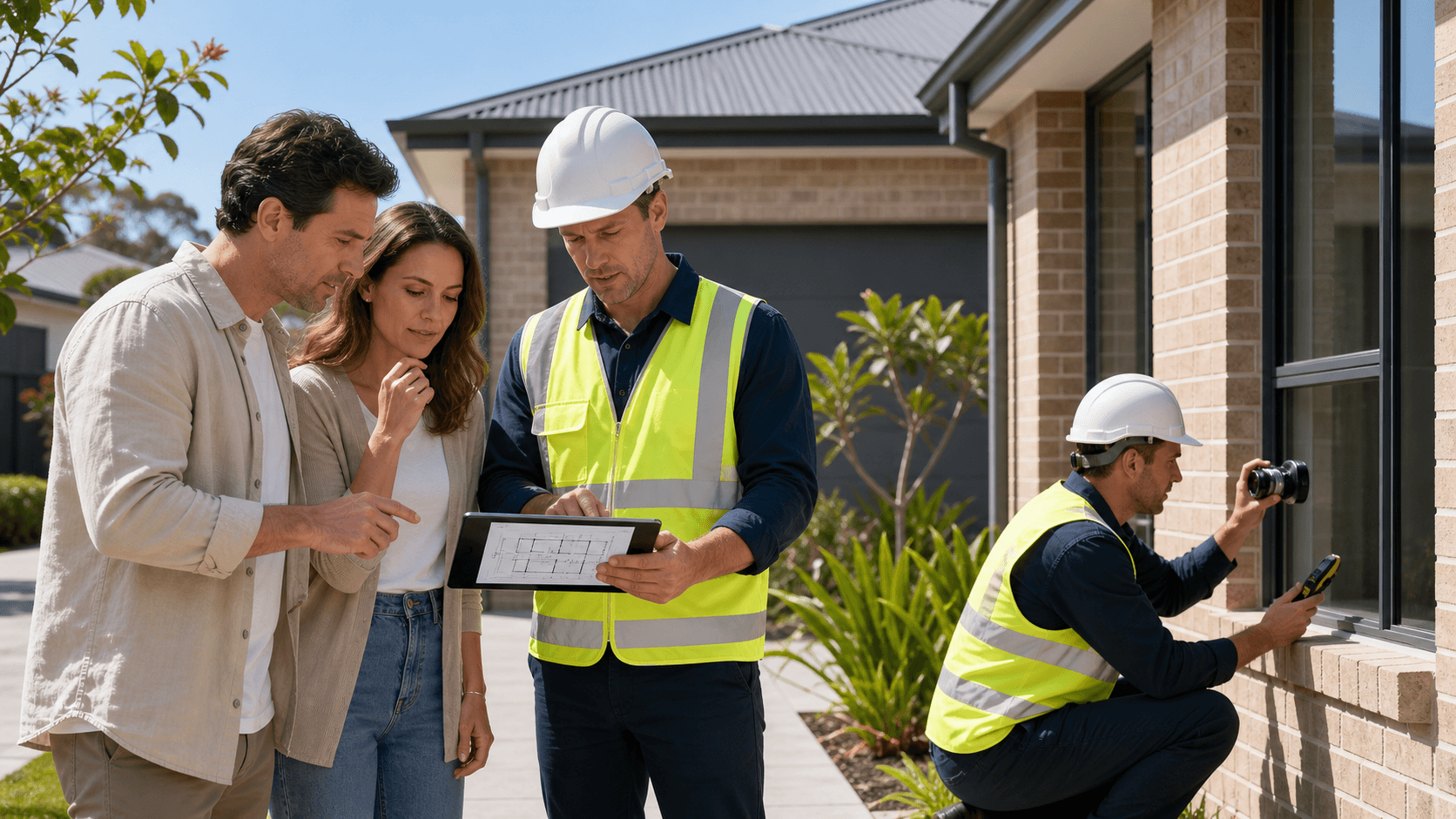
At ABBC Building Inspectors, we are Perth-based registered builders who provide independent building inspections, detailed investigation reports and expert witness services for home buyers, owners and builders. That mix of practical building experience and inspection work helps us explain issues clearly to both clients and tribunals.
Common Situations Where You May Need an Expert Witness
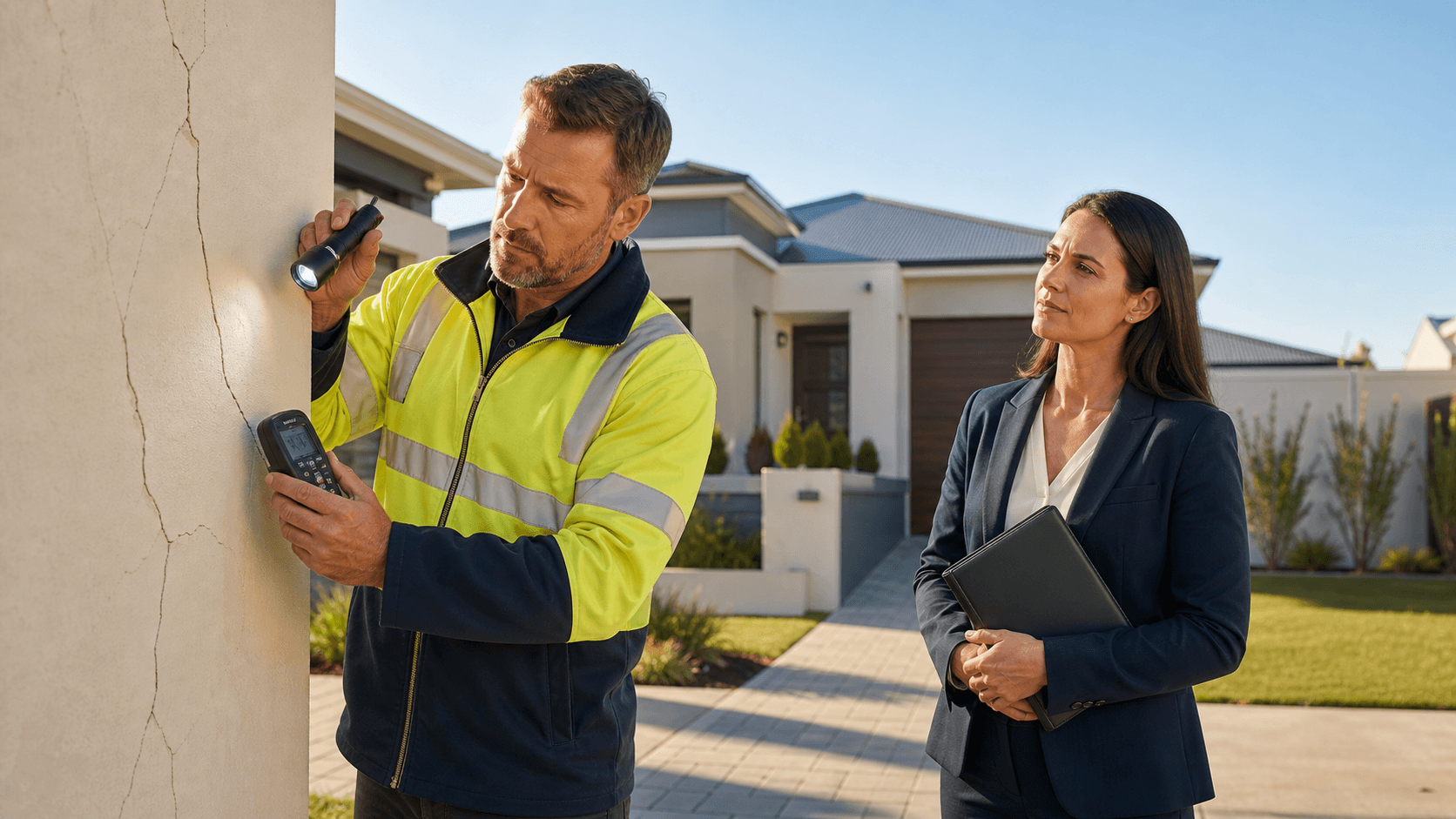
You do not need an expert witness inspector for every crack in a wall. Most everyday issues can be handled through normal conversations and standard inspection reports. You may need an expert witness when the problem is serious enough that it could end in formal dispute resolution.
Typical situations include:
- Disputes between owners and builders over defects, incomplete work, delays, or non-compliance with the Building Code or the building contract
- Cases where one party says work is within tolerance, and the other strongly disagrees
- Situations where previous attempts to fix problems have failed or made things worse
In many dispute cases, an expertly prepared expert witness report can clarify whether work meets the required standards. It can set out the facts in a way that is easier for a tribunal member or magistrate to understand.
Insurance or warranty claims are another common area. You might need an expert witness when:
- An insurer disputes liability or says the damage is not covered
- There is an argument about whether damage is due to a defect, lack of maintenance, or an external event
- The nature, cause and extent of damage must be proven clearly
Strata disputes are also frequent. In completed strata buildings, problems like water ingress, cracking and other common property defects can affect many owners at once. A strata body or owners corporation may need independent evidence so they can:
- Negotiate with a builder or developer
- Support a defect claim
- Prepare for legal action if required
Why Reinspection of Another Inspector's Work Is Not the Point
People sometimes ask for a reinspection to check another inspector's work, especially after a pre-purchase inspection. In the real world, this is usually not a thing in the pre-purchase market. Different inspectors may word things differently or notice different minor items, but that is not usually helpful for court.
The more relevant distinction is in the under-construction market. Some owners begin a build with an inspector who is good at standard stage inspections, but who will not provide an expert witness report or appear in court if there is a dispute. If a serious problem appears, the owner may then move to another inspector who can provide expert evidence.
The key point is this: the goal is not to criticise the first inspector. The goal is to obtain evidence that stands up legally. This means:
- Careful documentation of each defect
- Clear links to codes, standards and contract clauses
- A report format that meets the tribunal or court requirements
If you choose an inspector from the start who is experienced in expert witness work, you reduce the risk of having to pay for two sets of reports, and you avoid confusion over which report a tribunal will rely on later.
Strata Inspections Inspections
Strata inspections can cause confusion, especially around timing. Strata inspections are generally for completed buildings, not properties still under construction. The focus is on identifying existing defects or safety concerns in common property after construction finishes.
The main aims of a strata inspection are to:
- Identify defects affecting common areas and shared services
- Provide evidence for defect claims against the builder or developer
- Help plan long-term maintenance and sinking fund needs
We do not usually inspect strata buildings during construction. Our role in strata work is more about independent defect diagnosis and, when required, expert witness evidence once issues have emerged and owners know they need help.
We like to inspect strata buildings when they are 12 months old, but can inspect up to 54 months from completion in order to have sufficient time to lodge a claim at the Building Commission.
What Goes Into a High-Quality Expert Witness Report
Not every long report is a good expert witness report. Quality comes from clarity, evidence and independence. A strong report usually includes:
- A clear description and location of each defect or issue
- Reference to relevant Australian Standards, the NCC or BCA, and any known contractual requirements
- The expert's professional opinion about the cause of the problem
- Discussion of the impact of each defect, such as safety, performance or service life
- Practical recommendations for rectification where appropriate
- A statement of the author's expertise and independence
A robust expert witness report links observed defects to specific clauses in the NCC and Australian Standards. It sets out how the expert reached their opinion, so a tribunal or court can see that the reasoning is sound.
Impartiality is very important. The report is written for the tribunal or court, not just to take sides. That does not mean sitting on the fence. It means calling it as we see it, based on evidence. Credibility depends on neutrality, clear logic and staying within the expert's area of knowledge.
At ABBC Building Inspectors, our registered builders and inspectors are experienced at preparing investigation reports and expert witness reports that meet the usual procedural requirements for bodies like the State Administrative Tribunal and courts in Western Australia. Our aim is to explain technical matters in plain language so decision makers and clients understand what is going on and why it matters.
Protect Your Case With Clear, Professional Evidence
If your building dispute is heading toward mediation or court, our team at ABBC Building Inspectors can prepare a detailed expert witness report that clearly explains the technical issues in plain English. We draw on decades of inspection experience to provide independent, defensible findings that support your position. If you would like to discuss your situation or book an inspection, contact us today so we can help you move forward with confidence.