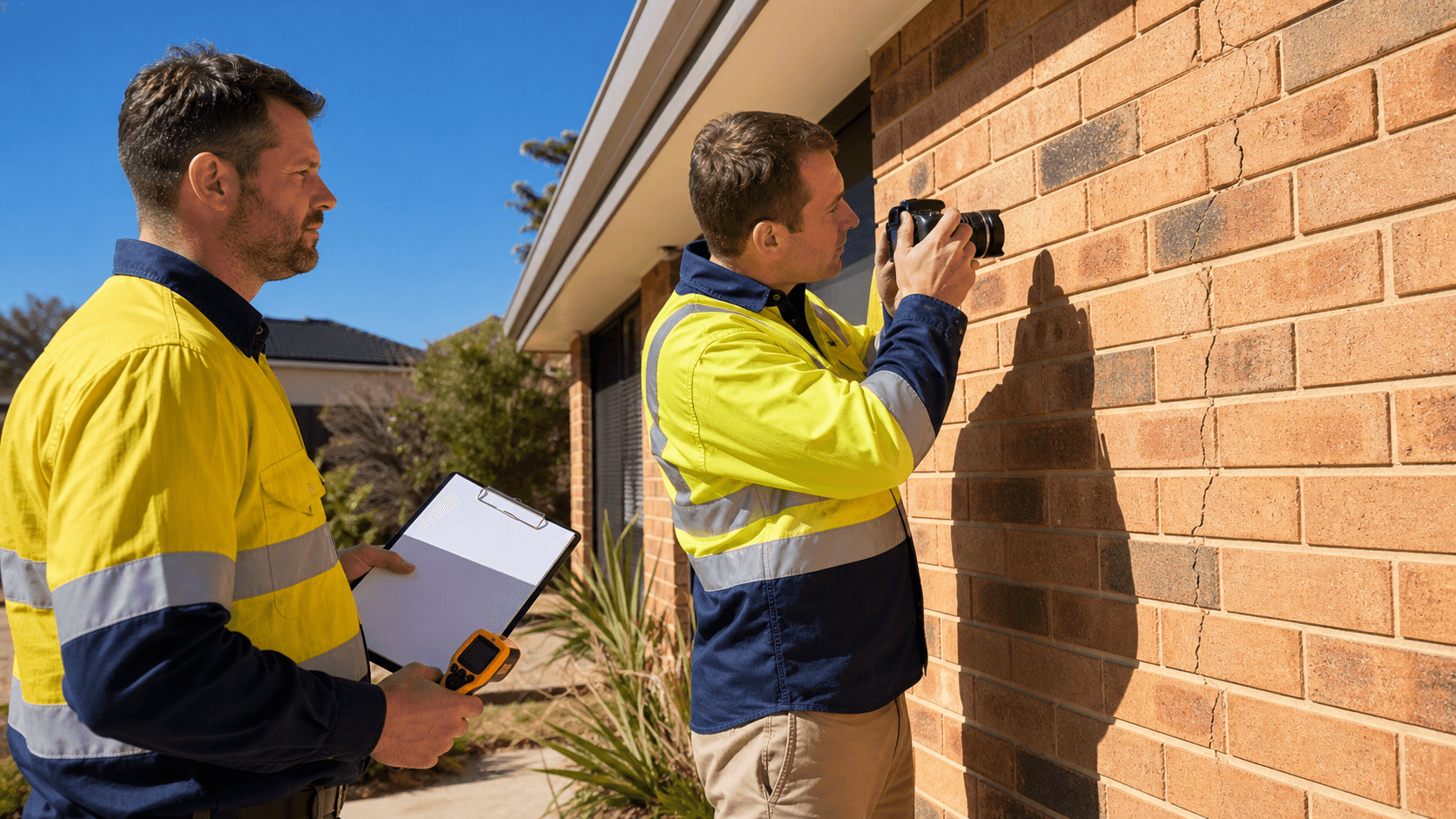
When a Defects Report Becomes Your Best Defence
Building or renovating in Perth can be exciting, but it can also be stressful when you start spotting cracks, leaks or things that just do not look right. Many owners feel stuck in the middle, not sure if they are being too fussy or if they have real grounds to push back on the builder. That is where a proper building defects report in Perth comes in.
A defects report is a detailed, independent inspection and written record of issues with a property. It is very different from a quick look from a friend, a tradie or a relative in the building game. A good report is based on standards, not opinions, and it sets out what is actually defective, where it is, and why it matters.
It is important to be clear though: not every item in a defects report is a breach of contract or a reason to lodge a formal complaint. Some items are maintenance, some are cosmetic; most things we check fall within normal building tolerances and don't need reporting. The value lies in knowing which is which, so any complaint you do make is fair and well founded.
We are an independent Perth-based inspection team, and we spend a lot of time helping owners, strata managers and commercial clients understand their reports and decide when it is sensible to escalate a concern with a builder, and when a different path makes more sense.
What a Perth Building Defects Report Should Include
A quality building defects report in Perth should give you clear, practical information, not guesswork or vague comments. At a minimum, it should include:
- Plain language descriptions of each defect
- Photos and clear locations so anyone can find the issue
- References to relevant standards or codes where appropriate
- A sense of priority, so you know what is urgent and what can wait
There are a few main types of defect-related inspections:
- Pre-handover inspections on new builds
- Defects Liability inspections during the defects liability or warranty period
- Strata inspections of completed buildings to review common property
- Inspections on existing homes or commercial properties, often before buying or planning works
Strata inspections are a bit different. For strata, the focus is on the completed common property, not works under construction. The goal is usually to identify building issues that have become apparent after completion and to plan for maintenance or potential rectification, not to supervise the builder while they work.
Using an independent inspector who has no connection to the builder or developer makes a big difference. It strengthens the credibility of any later complaint because the findings are seen as neutral and technically based, rather than part of a dispute from day one.
Defects That Commonly Justify a Builder Complaint
Not every scratch or uneven joint justifies a formal complaint. There are, however, categories of defects that often do cross that line. These include:
- Structural movement that affects stability or function
- Significant water ingress from roofs, balconies or windows
- Non-compliant or failed waterproofing in wet areas
- Safety hazards, such as balustrade issues or unsafe steps
- Serious workmanship failures, like badly laid tiling or obvious non-compliant finishes
Your defects report should do more than simply list what looks wrong. It should, where possible, link those issues to:
- Australian Standards
- National Construction Code requirements
- Contract drawings and specifications
This helps show that the items are not just cosmetic imperfections but genuine defects compared with agreed or regulated requirements.
In Perth, the weather can expose defects over time. For example, winter rain can reveal roof and balcony leaks that looked fine in dry weather. Hot, dry summers can highlight masonry cracking or movement around doors and windows. Spring inspections often pick up a mix of both, as people finally have time to look closely after harsher weather.
For strata schemes, recurring water ingress, early facade deterioration and safety hazards in common areas are common triggers for formal action. When multiple lots are affected or repair costs are significant, the owners corporation is far more likely to pursue the builder for rectification.
When a Defects Report Isn't Enough on Its Own
There are also many situations where a building defects report in Perth, on its own, will not justify a formal complaint or legal action. Typical examples are:
- Minor cosmetic marks or small chips
- Normal hairline shrinkage cracking in plaster or cornices
- Items that fall within accepted building tolerances
- Work in progress
Building standards allow for reasonable tolerances, and new materials can move slightly as they dry and settle. Your report might still mention these issues, but they are often flagged as low priority or maintenance rather than true defects.
Timing also matters. In Western Australia, there are limitation periods and warranty timeframes that affect how long you have to pursue a builder. If the defect appears or is reported after those timeframes have passed, you may have fewer options, even if the problem is real. Check the WA Guide to Standards and Tolerances 2019.
Context is another key piece. The age of the building, how well it has been maintained, and any alterations by owners can all shift the liability away from the original builder. Poor maintenance or later renovations can break the link between the current problem and the original work.
Because of all this, owners and strata managers are usually better off getting professional advice before launching into a formal complaint. This can help you avoid spending time and money chasing issues that are unlikely to succeed in a dispute process.
Steps to Take Before Lodging a Builder Complaint
If your defects report suggests there are significant issues, there is a logical sequence to follow before you lodge a formal complaint.
First, make sure the report itself is thorough. Then:
- Review the report carefully with the inspector
- Ask which items are clearly defective versus maintenance or cosmetic
- Prioritise the list into urgent, important and low priority
When you are ready to raise items with the builder, it helps to:
- Put everything in writing
- Attach the relevant pages or sections from the report
- Point out the specific standards or specs referred to
- Give reasonable timeframes for response and rectification
- Keep organised records of all emails, letters and photos
If the builder ignores you or strongly disagrees with the findings, you may need to consider other options, such as:
- Mediation or complaint pathways through building authorities
- Using the report as a base for negotiations or expert meetings
- Seeking legal advice where the issues are serious and costly
Follow up inspections can be very helpful once rectification works are finished. A second inspection checks that repairs have been carried out properly and that new issues have not been created, which is especially important before final payments or signing off any defects liability period.
How ABBC Supports Owners, Strata and Builders Alike
As independent building inspectors in Perth, we spend much of our time helping different types of clients turn technical reports into practical action.
For owners and strata bodies, we help:
- Interpret what the report actually means
- Separate genuine defects from normal wear and tear
- Identify which issues justify approaching the builder
- Plan sensible next steps that match the likely outcomes
Our strata work focuses on detailed inspections of completed common property. We look for construction issues that have emerged after completion and help strata managers and councils of owners plan rectification and long-term maintenance, rather than only reacting when something fails.
We also offer Next Level Inspections for builders. These are aimed at builders who want to lift their own technical knowledge and on-site quality. The idea is to improve build quality during construction, reduce future complaints and callbacks, and create better results for everyone involved, not to defend against disputes after the fact.
Because we are local to Western Australia, we are familiar with the regulations, the typical building methods used here and the seasonal conditions that often reveal hidden issues. That local knowledge helps us give advice that is practical for Perth properties, not just based on generic checklists.
Turn Your Defects Report Into Constructive Action
A building defects report in Perth can feel confronting at first, especially when the list of issues is long. Used properly though, it is one of the strongest tools you have to resolve problems fairly with your builder. The key is to understand which items truly count as defects, use the report to support calm, written communication, and only escalate when the facts and timing are on your side.
Before summer building workloads and end-of-year handovers put extra pressure on timeframes, it is worth getting on top of any concerns you already have. Gather your contracts, past correspondence and questions so that, with the right independent support, you can turn the technical findings in your defects report into practical, cost-effective outcomes for your home, strata property or commercial building.
Protect Your New Property With a Thorough Defects Assessment
If you want clarity on the condition of your build before warranties expire, we can provide a detailed building defects report in Perth tailored to your project. At ABBC Building Inspectors, we identify issues early so you can have them rectified by your builder with confidence. To discuss your situation or arrange an inspection time, contact us and we will guide you through the next steps.