Why Questioning a Defects Report Can Save You Stress
Getting a building defects report in Perth can feel confronting. You read words like cracking, moisture ingress or non-compliant and suddenly you are picturing big bills and stressful arguments. It does not have to go that way. Questioning a report is normal, sensible and often the best way to calm things down before anyone talks about a formal dispute.
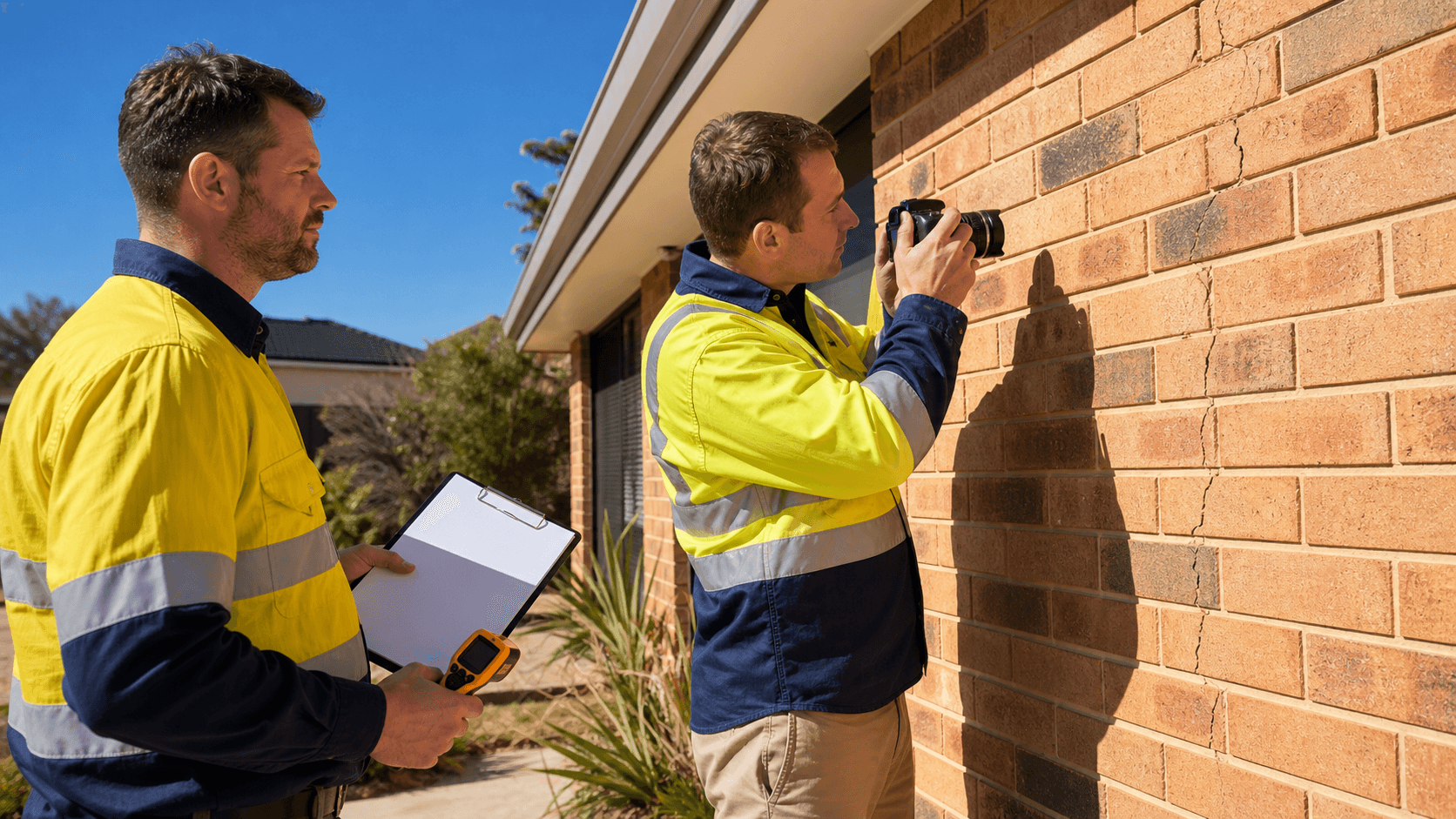
A building defects report sets out what an inspector has seen at your home, investment property, strata complex or commercial building. It matters because it helps protect your safety, comfort and asset value. In winter, when Perth gets more rain, leaks and damp spots are easier to spot, so more owners are receiving reports with moisture issues and roof or balcony concerns. When that happens, taking a steady, informed approach can save a lot of stress.
We are a Perth-based team of registered builders, and we see how much confusion comes from technical language and mixed expectations. Independent building inspectors can help explain what is in the report, what really needs attention and what is less urgent, so you can talk with builders or strata managers without turning it into a fight.
Understanding What Is Actually in Your Report
Most building defects reports in Perth follow a similar structure. When you know what you are looking at, it becomes much easier to decide what to question and how to respond.
You will usually see sections such as:
- An overview or summary of the property
- Itemised defects, often numbered
- Photos or diagrams
- A rating for risk or severity
- Recommended actions or suggested timeframes
Some terms come up again and again. In simple language:
- Non-structural defect: An issue that does not affect the main structure, for example internal plaster cracking or loose ceramic tiles
- Maintenance item: Something that has worn or aged and now needs normal upkeep, for example repainting or re-sealing
- Minor cracking: Hairline cracks that are usually movement or shrinkage, not a sign that the building is failing
- Compliance issue: Something that may not meet the relevant standards or codes at the time of construction
It also helps to separate true construction defects from other causes. Not every problem is the builder's fault. Issues might be fair wear and tear that comes with age, the result of poor or delayed maintenance, related to heavy weather or storm events, or linked to how the occupants use the building.
For strata inspections on completed buildings, a lot of items are about future planning. The report often highlights areas that will need attention over the coming years, not just things for the original builder to fix right now. That is where a good strata maintenance plan becomes important.
Calm First Steps Before You Raise Concerns
Before you send an upset email or lodge a complaint, it helps to slow down and work through the report in a clear, structured way.
Start with a simple process:
- Read the whole building defects report in Perth from start to finish
- Mark anything you do not understand or that feels unclear
- Separate safety or structural issues from comfort or cosmetic issues
Then gather what you already have. Helpful documents include:
- Original building plans and approvals
- Contracts and warranties
- Any earlier inspection reports
- A maintenance log for strata complexes or larger buildings
For strata councils and owners, it is wise to discuss the report internally first. Use that discussion to agree on which items are top priority, which questions you want answered, and who will speak with the builder or strata manager.
Seasonal timing also matters. Winter rain can show up roof leaks, balcony ponding, failed flashings and drainage problems. Some moisture items might be best monitored across a few wet weeks to see if they are ongoing or just a one-off event.
How to Clarify Issues Without Triggering a Dispute
Once you are clear on your questions, the way you raise them can make all the difference. The aim is to get clarity, not to accuse.
When you write to the builder, developer or strata manager:
- Keep the tone calm and factual
- Refer to specific report item numbers or photos
- Ask for explanation rather than demanding someone to blame
Useful questions include:
- What exactly is this defect and what caused it?
- What standard or code are you using to assess it?
- Is this structural or non-structural?
- What are the practical repair options and realistic timeframes?
Independent inspectors can play a big role here. They can review the original building defects report in Perth, re-inspect key areas on site if needed, and translate technical comments into plain language. They also help all sides agree on what is reasonable, which often resolves problems once everyone understands the scope and timing of repairs or maintenance. This avoids jumping straight into legal action or formal complaints to regulators.
Special Considerations for Strata and Investment Properties
Strata buildings bring extra layers of responsibility. Strata inspections usually focus on completed buildings, not work in progress. The aim is to identify existing defects, emerging issues and long-term maintenance needs across common property.
For strata councils, a detailed report is a chance to:
- Update or create a structured maintenance plan
- Separate urgent remedial work from longer term capital works
- Plan budgets to spread costs fairly over several years
Investors and landlords can also use defects reports as a planning tool. A clear picture of the building's condition helps to:
- Protect the value of the asset
- Reduce surprise repair costs later
- Minimise tenant complaints or vacancy linked to leaks, damp or broken finishes
Communication is key. Strata councils, individual owners, strata managers and tenants all need to understand what the report is saying. When everyone has the same information and expectations, it is much easier to handle concerns cooperatively.
When to Seek Expert Help and Turn Your Report Into an Action Plan
Sometimes a basic report and a few emails are not enough. Warning signs that you may need a more detailed independent expert report include:
- Structural cracking that keeps growing
- Ongoing water ingress over winter
- Clear safety hazards around stairs, balconies or electrical items
- Strong disagreement between owners and builders about what is reasonable
Independent inspections and expert reporting can provide:
- Clear photos and simple descriptions of each issue
- Practical, staged recommendations instead of all-or-nothing fixes
- Documentation that supports negotiation and sensible agreement
There is also growing interest from builders who want inspections aimed at lifting their own build quality. Next Level Inspections are designed for builders who want better technical knowledge on site, so fewer defects show up later and fewer disputes arise with owners.
Once you understand the report, treat it as a roadmap rather than a threat. You can prioritise safety and weatherproofing items first, plan repairs for structural and moisture issues, and schedule cosmetic and long-term maintenance when timing and budgets allow.
A simple action list helps. Note what needs doing, who is responsible, when it should be done and a rough order of works. Review it again after the wet season if moisture issues were flagged. With clear information, steady communication and the right expert support, most building concerns in Perth can be managed calmly, protecting both the property and the relationships around it.
Protect Your Build With A Thorough Defects Report
If you are concerned about construction quality or issues in your new property, we can provide a detailed building defects report in Perth so you know exactly where you stand. At ABBC Building Inspectors, we identify defects early so they can be rectified before they become expensive problems. If you are ready to arrange an inspection or have questions about your situation, simply contact us and we will guide you through the next steps.