Why a Structural Inspection Is Only One Piece of the Puzzle
Buying a home in WA can move fast, especially in mid-winter when you are trying to line up finance, inspections and settlement between rain showers and short days. When time is tight, many buyers feel pressure to just book a quick building structural inspection and hope that covers everything. It does not.
A building structural inspection focuses on the bones of the home, not every system, finish or safety risk. It is about how the house-only stands up, not how every part of it works. If you rely on this report alone, you can miss problems with services, hidden hazards, pests, compliance and long-term maintenance.
We want buyers to feel confident, not rushed or confused. As independent, Perth-based registered builders, our job is to explain clearly what a building structural inspection includes, what it does not, and which extra specialist reports are actually worth getting before you commit.
What Your Building Structure Inspection Actually Covers
In WA, a pre-purchase building structural inspection is a visual check of the main structural elements. Think of it as an assessment of the skeleton of the building, not the organs and skin.
A typical building structural inspection will usually look at:
- Foundations and footings where visible
- Concrete slabs and signs of movement or cracking
- Primary wall framing and load-bearing walls
- Roof structure, including framing and trusses where accessible
- Significant structural cracking in walls, ceilings and floors
- Obvious signs of building movement or distortion
The focus is on major structural defects that affect stability, safety or how the building performs. It is not about minor paint chips, loose doors, loose ceilings, leaking showers, dodgy patios, leaning retaining walls or worn carpets. Cosmetic issues and general wear and tear are usually noted only if they hint at something more serious.
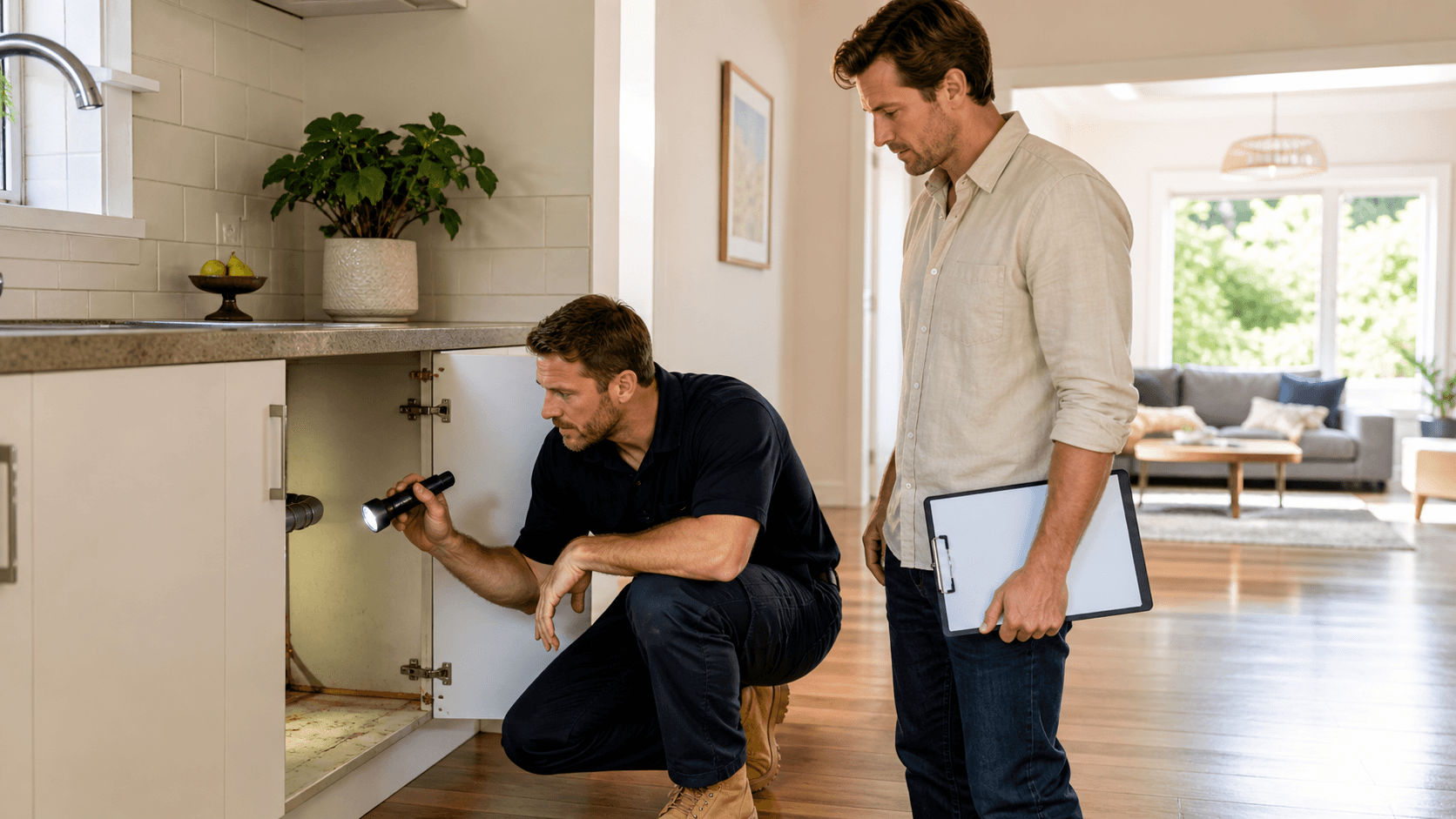
There are also access limits. Inspectors cannot see through walls or sealed ceilings. Areas may be blocked by stored goods, fixed cabinetry or low, tight roof spaces. Wet weather can help reveal some problems, like leaks, but it can also make some external areas harder to inspect safely.
It is important to remember that a building structural inspection is:
- Visual, not invasive
- Based on what can be safely reached on the day with a very limited scope
- Not a detailed test of every component or service
So while it is a part of due diligence, it is not a total health check for the property. Or peace of mind.
Hidden Risks a Structural Inspection Will Not Uncover
Many of the biggest surprises for buyers sit outside the scope of a structural-only report. These issues often need their own licensed specialist.
Some common gaps include services and safety systems:
- Electrical wiring, switchboards, RCDs and smoke alarm performance
- Plumbing and drainage performance, including water pressure and sewer issues
- Gas supply and gas appliances, including leaks and unsafe installations
A structural inspection may notice obvious signs, like stained ceilings or old fuse boxes, but it will not report these systems. Only licensed electricians, plumbers and gas fitters should do that.
There are also health and environment risks that usually require separate checks, such as:
- Possible asbestos in older homes
- Mould and indoor air quality concerns
- Hazardous materials or site contamination
- Detailed moisture tracing for tricky leaks
Liveability and comfort often sit in a grey zone too. Structural reports do not cover:
- Insulation levels and energy efficiency
- Air conditioning performance and ductwork condition
- Pool equipment and barrier compliance
- Noise or acoustic issues from neighbours or roads
In winter, buyers often worry about leaks and damp. A structural inspection may note visible water staining, poor drainage or damaged roof elements, but deeper moisture testing or drainage design checks are usually outside the scope and might need a separate assessment.
Specialist Reports That Protect You Beyond Structure
To get a clearer picture before you sign, it helps to add in targeted specialist reports to your offer where there is risk.
Electrical and plumbing reports are often at the top of the list. Licensed trades can:
- Test power circuits, outlets and safety switches
- Check visible wiring and switchboards for unsafe or old work
- Check water pressure, hot water systems and drainage function
- Identify non-compliant or dangerous installations
A timber pest inspection is also very important in many parts of WA. A dedicated timber pest inspector can:
- Look for termite activity inside and outside the home
- Check for borer damage in timber
- Assess conditions that attract pests, like damp soil or poor sub-floor ventilation
- Identify hidden damage that might not yet show as obvious structural issues
If you are looking at a home built before the late 1980s, an asbestos or hazardous materials report is often worth considering. These reports can help locate suspect materials so that you can plan safe management or removal if needed.
Other common specialist checks include:
- Pool barrier compliance inspections
- Gas appliance testing and compliance checks
- Targeted moisture or leak investigations in problem areas
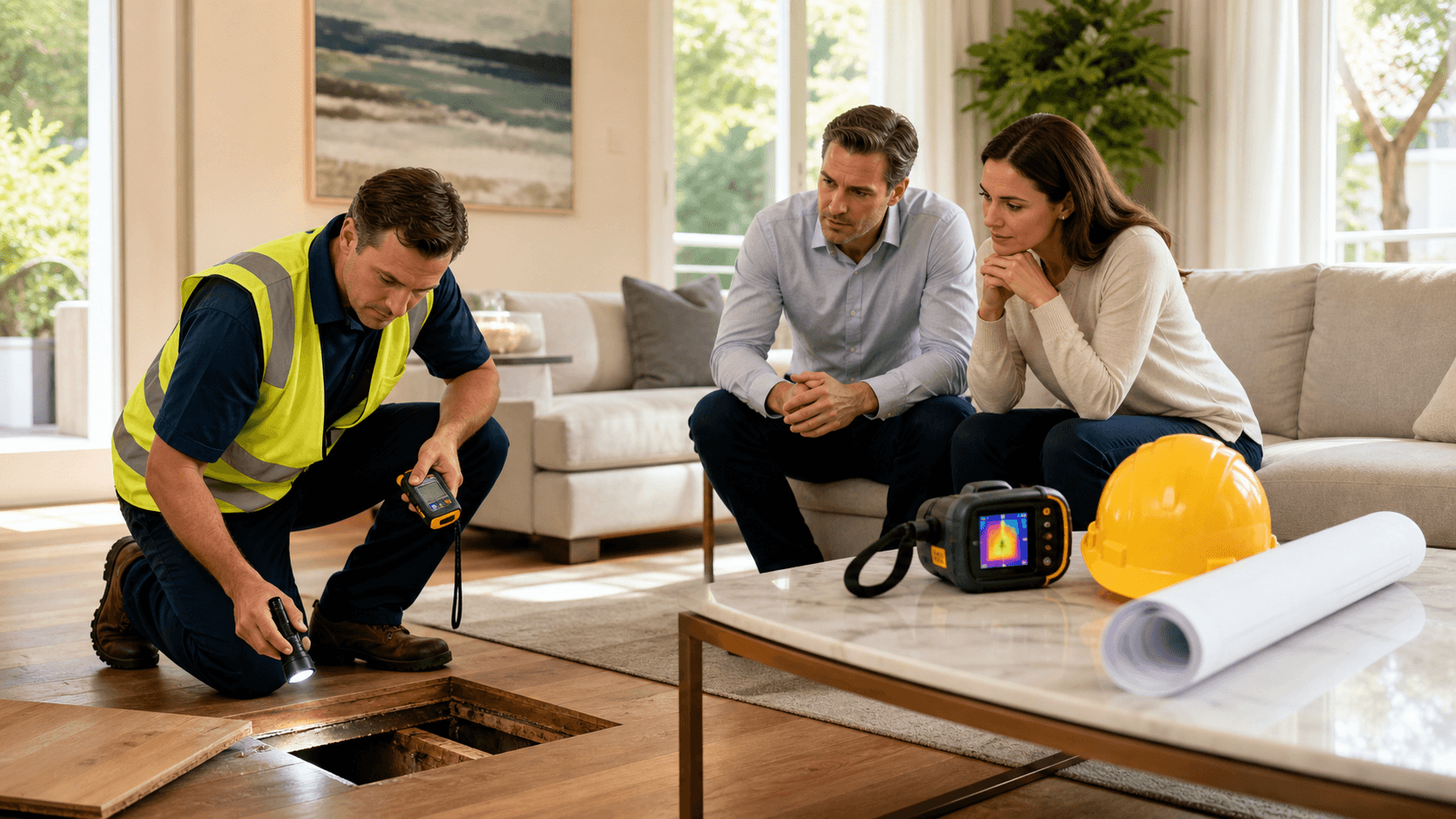
Each of these reports works alongside the building structural inspection so you can see both the big structural picture and the hidden technical details.
Additionally, a comprehensive inspection from ABBC will identify maintenance issues as well items on the property (not just the house) such as patios, retaining walls, pergolas, swimming pools. It will cost you more, but being fully informed is much better than guessing about half of the issues.
When You Need Strata, Defect and Next Level Inspections
Not every property is a standalone house. If you are buying an apartment or townhouse in a strata complex, you also need to know what is happening beyond your front door.
Strata inspections relate to completed buildings, not projects still under construction. They focus on:
- The condition of common property like roofs, external walls and shared services
- Maintenance that has been done, delayed or ignored
- How the strata body is planning and funding future repairs
This helps buyers understand the risk of future levies and big repairs that may not be obvious during a short inspection. Make sure that your offer includes your specific approval after review of the strata maintenance plan and recent Strata Company minutes.
Some properties show clear problems, such as cracking, leaks or performance issues, that go beyond a standard structural overview. In those cases, a detailed defect investigation can help. This type of inspection digs deeper into:
- The likely cause of significant cracking or movement
- Ongoing water ingress or damp issues
- Repeated performance problems in specific parts of the building
Defect investigations are more targeted and diagnostic than a basic structural check.
How to Combine Inspections for Real Buying Confidence
The best approach is to treat the building structural inspection as your base layer, then add specialist reports where the property type, age and location indicate extra risk.
A simple plan many buyers follow is:
- Do some homework before you offer, such as reviewing title information, strata minutes and basic council records
- Make your offer subject to a satisfactory building structural inspection
- Use the inspection report to spot areas that may need specialist checks, like electrical, plumbing, pests or moisture
You can also prioritise inspections based on the type of home:
- Older fibro or brick and tile homes may need asbestos and timber pest checks
- Coastal properties may need closer attention to corrosion and moisture
- Apartments in large strata schemes benefit from detailed review of strata records and common property condition
If you are buying in winter, use the wetter weather to your advantage. Rain can highlight leaks, drainage issues and damp that might hide in dry months. Take the time to talk through the report with your inspector so you understand which points are urgent, which are long-term and which need another specialist to look deeper.
By combining a thorough building structural inspection with the right mix of extra reports, you give yourself a much clearer, calmer view of what you are buying before you commit. ABBC Building Inspectors is here to help Perth and WA buyers understand that bigger picture so you can move forward with confidence.
Protect Your Property With A Professional Inspection Today
If you are planning to buy or renovate, a thorough building structure inspection from ABBC Building Inspectors helps you make confident, informed decisions. We identify structural issues early so you can budget properly and avoid costly surprises down the track. Reach out to our team with your plans and questions and we will guide you through the next steps, or simply contact us to book an inspection.