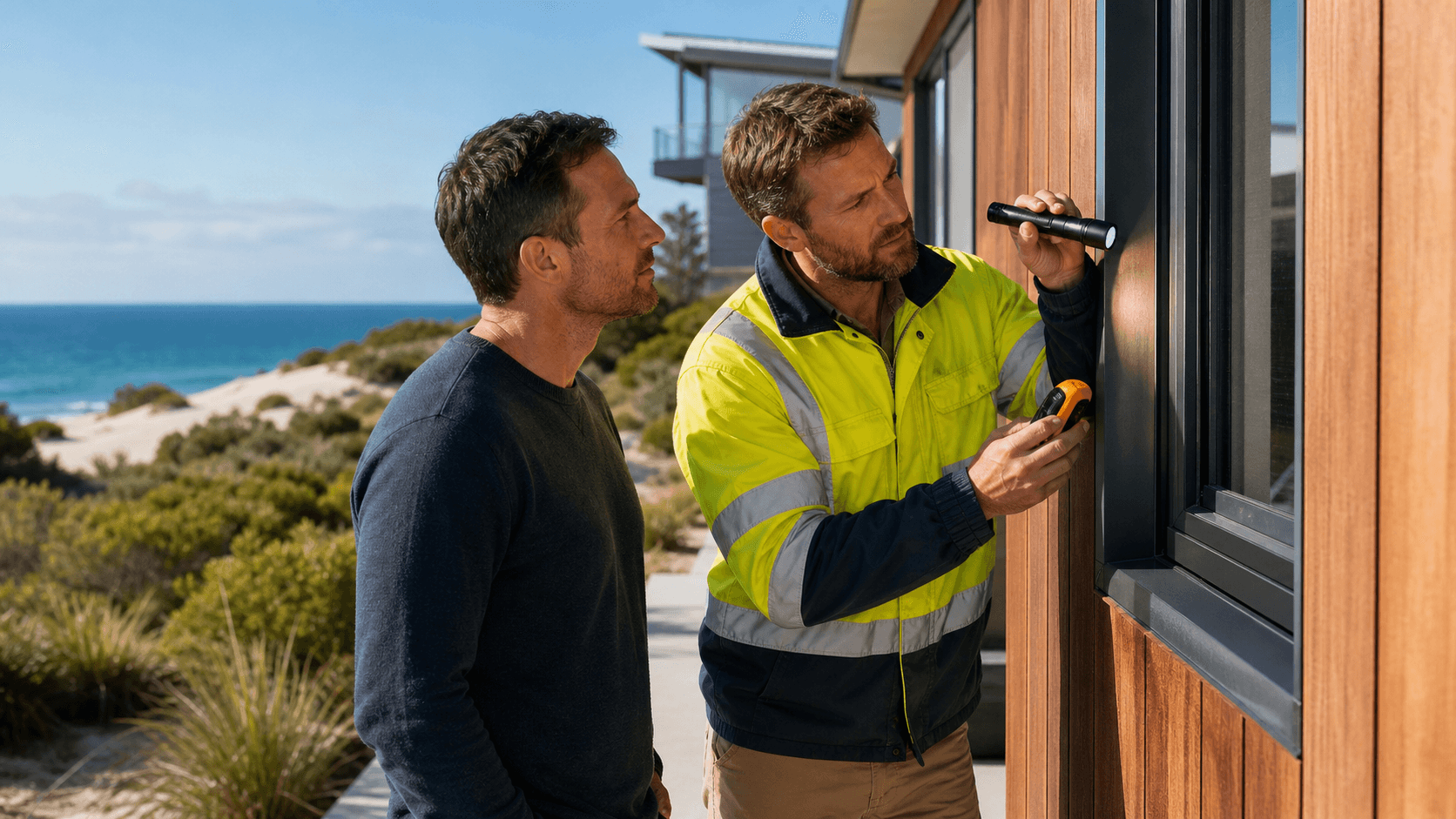
What a Thorough On-Site Inspection Really Protects You From
Buying a home or commercial building in Perth is a big step, and most of the real problems are not where you can easily see them. Fresh paint, new floor coverings and styled furniture can hide leaks, movement and safety hazards that only show up once you are living in the place. A proper on-site inspection is about finding those issues before you are locked in.
An independent property inspector in Perth is there to look after you, not the agent or the seller. We are focused on the building itself, how it has been built, how it is performing and how it is likely to cope with heat, wind and heavy rain. That means climbing into roof spaces where it is safe, getting under floors when possible and checking the parts of the building most buyers never see.
At ABBC Building Inspectors, we pay close attention to roof spaces, subfloors, damp and drainage, overall structure and clear compliance red flags. These areas are where the big-ticket problems usually hide, especially as warm, stormy weather puts more pressure on roofs, gutters and soil around the home. Picking up trouble here can save you from shock repairs and stressful disputes later on.
Roof Space Checks That Reveal Hidden Structural Trouble
The roof space tells a long story about how a building has been treated. We start with the frame and structure, looking at:
- Trusses, rafters and battens for sagging, twisting or movement
- Connections and fixings that are loose, missing or not done to a good standard
- Signs of termite or borer activity in timber members
- Cut or altered structural members from past changes to the roof layout
Any sign that the frame is not doing its job, like bowing roofs or patched-up repairs, is flagged. Structural changes done without proper design can put extra load on other parts of the building.
We also check insulation, ventilation and moisture. In many Perth homes we see:
- Missing or thin insulation that leaves hot and cold spots
- Insulation pushed hard against downlights or exhaust fans, which can be a fire risk
- Blocked vents or poor airflow that lets condensation build up
- Water staining on timbers or ceiling linings that points to long-term leaks
Moisture in the roof space can lead to mould, damaged plaster and decay in timber. Catching early signs is much easier than dealing with a large repair later.
Roofing materials and penetrations are another focus. From inside the roof space, where access and safety allow, we look for:
- Leaks and staining around skylights, chimneys and roof vents
- Gaps or poor flashing around AC (air-conditioning) penetrations and flues
- Evidence of past patching or quick fixes under the roof sheeting
These spots often take the brunt of strong sun and sudden storms. If they are already leaking or poorly installed, the risk only grows as temperatures rise.
Subfloor and Ground Contact Risks Under Your Feet
If the property has a suspended timber floor, the space underneath is just as important as the roof space. We check the structural supports and framing, including:
- Stumps, piers and pads for movement, tilt or sinking
- Bearers and joists for rot, corrosion or termite damage
- Old or makeshift repairs, like packers and props, that may not be suitable
- Any signs the floor is not working as designed, such as bending or cracking
Problems here can lead to uneven floors, cracked tiles and sticking doors. They can also affect how well doors and windows seal against weather and pests.
Drainage and soil conditions in the subfloor are a big part of long-term risk in Perth's sandy soils. We look for:
- Ponding water or damp soil that does not dry out
- Poor ground clearance, where soil or sand is too close to timbers
- Inadequate vents that limit airflow under the house
- Signs of salt, mould or decay along lower timber edges
Constant damp under the building speeds up timber decay and makes the area more attractive for termites.
Access, safety and services under the floor are also noted. Where we can safely enter, we watch for:
- Loose wiring, open holes or sharp objects that limit access
- Plumbing leaks from waste pipes or water supply lines
- AC condensate pipes or overflows dumping water straight into the subfloor
If access is limited or unsafe, we record that as well. Limited access can hide defects and is important information for you as a buyer.
Damp, Drainage and Perth's Seasonal Moisture Problems
Inside the building, we look for signs of damp that you might not spot on a quick walk-through. Typical internal checks include:
- Moisture staining on ceilings, walls and skirtings
- Bubbling or peeling paint and swollen door frames
- Soft or crumbling plaster around showers and baths
- Musty smells that hint at mould in hidden spaces
We often use moisture meters to help locate higher moisture levels in walls and around wet areas. This can point to failed shower waterproofing, leaking pipes or slow leaks behind tiles that have not yet left obvious stains.
Outside, we pay close attention to external drainage and site fall. The way water moves across the block in a heavy storm makes a big difference to how the building ages. We look at:
- Whether ground levels fall away from the walls or back towards them
- Paths and paving that are level or sloping towards the house
- Garden beds built up against brickwork and cladding
- Low spots where surface water might pool next to the slab or footings
Water that consistently sits against walls or slab edges can drive damp up into internal finishes and can weaken some building materials over time.
Reticulation, gutters and downpipes also play a key part. Common issues include:
- Gutters that are rusted, blocked or wrongly pitched
- Downpipes that do not connect properly to soak wells or stormwater
- Overflows and stains that show where water has been running down walls
- Garden reticulation spraying walls or constantly soaking the base of the house
Fixing how water is handled on the block is often less dramatic than structural work, but ignoring it can lead to bigger problems inside.
Structural Red Flags and Compliance Concerns
Structural movement shows up in many ways. During an inspection, we look for:
- Cracks in brickwork, render and internal plaster
- Uneven or sloping floors you can feel as you walk
- Doors and windows that bind, drag or will not latch properly
- Roof lines that appear wavy or dipped when viewed from outside
Not every crack or slope is a major issue, but certain patterns and widths can be a sign of more serious movement. Where needed, we may recommend further assessment by a structural engineer.
Additions and alterations are another common source of concern. A property inspector in Perth will keep an eye out for:
- Patios and carports that look like they were added after the original build
- Enclosed balconies or verandas that now act as internal rooms
- Rooms built in roof spaces, like attic conversions, that may not meet current standards
- Openings cut in walls without clear support changes
These works might not follow current codes or the original design intent, or even be approved in the first place! That can affect safety and may cause issues when you talk with your insurer or local council.
Safety and general compliance issues are also part of the on-site check. We note things like:
- Balustrades that are too low, loose or have wide gaps
- Stairs without proper handrails or with uneven risers
- Damaged, old or exposed electrical fittings that are visible to the eye
- Missing, damaged or poorly located smoke alarms
These items are important both for day-to-day safety and for your discussions before settlement. Knowing about them early gives you a clearer picture of the building you are buying.
How ABBC Reports Help You Decide with Confidence
At ABBC Building Inspectors, we take everything we see on site and turn it into a clear written report with photos and plain language comments. We separate major defects, safety issues and items that need further specialist checks from more routine maintenance. This helps you focus on what really matters for your decision.
Timing is also important. Many buyers in Perth arrange inspections during their finance or building and pest clauses, and spring into early summer is a good time to spot issues with drainage, termites and heat-related movement. Having a detailed, independent report in your hands before you go unconditional means you can commit to your property with a far better understanding of its real condition.
Get Started With Your Project Today
If you are planning a purchase, renovation or build and want clear answers before you commit, we are ready to help. As your local property inspector in Perth, ABBC Building Inspectors provides practical, detailed advice so you can move ahead with confidence. Tell us about your property and we will recommend the most suitable inspection and timing for your situation. If you are ready to book or have a question, simply contact us and we will get back to you promptly.