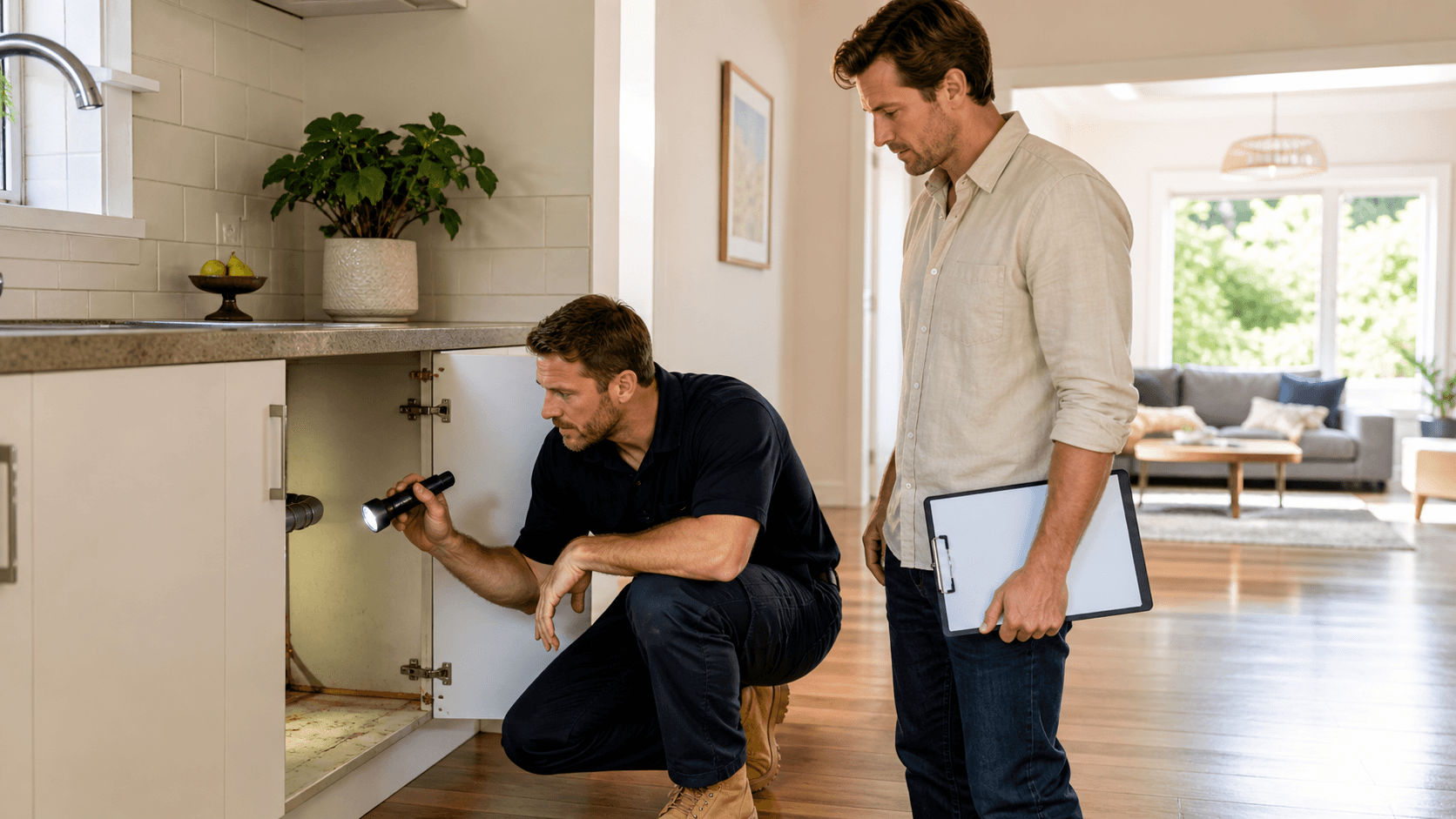
Avoid Property Inspection Surprises in Perth Auction Purchases
Buying at auction can feel fast and stressful. You get a few weeks of open homes, then one short moment where your hand goes up and your future is locked in. There is no pause button, and not much room for second thoughts after the hammer falls.
This is why understanding property inspection in Perth before auction day matters so much. When you know what you are really buying, you can bid with a clear head, set a realistic limit, and avoid big repair-shocks later. In this article, we will walk through the main auction risks, what good inspections cover, and how to turn technical findings into smarter bidding choices.
Beat Auction-Day Stress with Smart Inspection Prep
Spring is a busy auction season in Perth. More homes hit the market, more buyers turn up, and emotions run high. With a crowd around you and a fast-talking auctioneer, it is easy to feel pushed into decisions you would normally slow down and check.
Auctions often come with conditions that trip buyers up, such as:
- No cooling off period in many cases
- Contracts that are usually unconditional
- Short timeframes to settle and organise finance
On top of that, the property is generally sold in an "as is" state. Once the hammer falls, you usually own any hidden problems along with the home. If serious defects show up after settlement, repairs become your job.
This is where getting an independent inspection from experienced registered builders gives you an edge. Instead of guessing or trusting a quick look on the day, you walk in knowing the likely repair list and the real condition of the structure.
Why Auctions in Perth Increase Your Property Risk
Auctions are designed to create urgency. The setup is simple: highest bidder wins, and the winner usually signs the contract on the spot. That often means:
- You sign an unconditional contract
- You pay the deposit on the day
- There is little or no power to demand repairs later
If a problem shows up after settlement, you usually cannot send the bill back to the seller. This can hurt when a home looks freshly renovated. New paint, new tiles, and new fittings can hide what sits behind the surfaces.
Common hidden issues can include:
- Structural movement in walls or footings
- Moisture behind showers, in ceilings, or around balconies
- Roofing problems that only show when it pours
- Work that does not match building codes or approvals
Perth homes also deal with local conditions that can quietly damage a building over time. Coastal areas can see corrosion in metal parts. Our strong sun is tough on roof coverings, sealants, and exposed timber. Storms can test gutters, downpipes, and drainage. Clay soils in some suburbs can move, putting stress on footings and slabs without clear cracks inside yet.
All of this risk is magnified when you buy under pressure and cannot add conditions to your offer.
Pre-Auction Inspection Essentials Every Buyer Needs
A proper pre-purchase property inspection in Perth should be more than a quick walk-through. A good inspection by a registered builder is focused on the structure and key building elements, not just the pretty finishes.
Typically, a comprehensive inspection will look at:
- Structural elements such as walls, footings, and framing
- Roof exterior and interior, including coverings, flashings, and roof space
- Visible plumbing items like taps, fixtures, and signs of leaks
- General electrical overview such as fittings and obvious safety concerns
- Drainage around the home and how water is directed away from structures
- Signs of moisture ingress in walls, ceilings, and wet areas
- Site conditions that may affect movement or moisture around the building
There are also clear limits to a standard inspection. In most cases it will not include:
- Invasive testing such as cutting into walls or lifting up floor coverings
- Detailed engineering assessments
- Specialist electrical testing or plumbing pressure tests
- Areas that are unsafe or inaccessible at the time of the visit
When a building inspector spots warning signs, they may suggest extra expert reports, such as structural engineering advice, plumbing or electrical specialists, or pest inspections.
Using an independent inspector who is a registered builder means you are getting advice from someone who understands how buildings go together and is not involved in the sale. This helps keep the focus on your risk, not on pushing the auction result.
Avoid Hidden Strata Costs in Auctioned Units and Townhouses
Buying a unit, villa, or townhouse at auction adds another layer: strata. You are not just buying your lot; you are buying into shared walls, roofs, lifts, and common areas. These shared parts can be expensive to fix.
For completed strata buildings, it is wise to:
- Review strata records and meeting minutes
- Look for notes about leaks, water ingress, or ongoing damp issues
- Check for patterns of repeated repairs to the same areas
A strata maintenance plan can be a helpful tool. It maps out expected major works and the timing of those works. Key things to watch for include:
- Planned lift replacements or upgrades
- Waterproofing works to podiums, balconies, or rooftops
- Facade repairs to render, cladding, or windows
- Roof replacement or major roof maintenance
The state of the sinking fund can show how ready the strata scheme is for these big costs. A low fund with a long list of upcoming works may point to future special levies.
Independent inspections and strata reports help you see beyond the entry foyer and fresh paint. This is very important in older Perth strata complexes where underlying issues can hide behind cosmetic upgrades.
Turning Inspection Findings Into a Smarter Auction Strategy
Once you have a professional report, the next step is turning it into numbers you can use on auction day. The report should help you sort items into rough groups such as:
- Urgent safety issues that cannot wait
- Significant structural or water problems
- Medium-term maintenance, like ageing roofs or outdated services
- Minor cosmetic items that can be done over time
With this list, you can adjust your maximum bid. Instead of bidding up to what the home looks like it is worth, you bid up to what it is worth to you after allowing for repairs and maintenance.
Sometimes, inspections uncover issues that change your plans completely. You might:
- Decide to walk away before spending money on a building that needs major structural work
- Redirect your budget to another property in better condition
- Be ready to negotiate if the property is passed in and the seller becomes more flexible
Timing is also important. To avoid a scramble during the busy auction period, buyers often:
- Shortlist likely auction properties early
- Book inspections as soon as they are serious about a property
- Work with the selling agent to organise access to the home and common areas
- Allow time to read and understand the report properly before auction day
Coming into the auction with this groundwork done reduces stress. You know your limits, you know the building, and you know what you are willing to take on.
Secure Your Next Auction Purchase with Confidence
A thorough property inspection in Perth before auction day protects you from rushed, emotional decisions. Instead of worrying about what might be wrong behind the paint, you step onto the bidding lawn with clear facts and a practical plan.
At ABBC Building Inspectors, we are experienced registered builders who provide independent pre-auction inspections and strata reports for residential and commercial properties across Perth. By shortlisting your target properties, booking inspections ahead of time, and using professional advice to guide your bidding, you can approach the next auction with clarity, not fear of hidden surprises.
Get Started With Your Project Today
Protect your build and avoid costly disputes by booking a thorough property inspection in Perth with ABBC Building Inspectors. We provide clear, detailed reports so you know exactly where you stand before, during and after construction. If you are ready to discuss your project or need tailored advice, simply contact us and we will help you take the next step with confidence.